

How Franchises Can Make a Real Difference in the Community
Franchises that support communities are redefining the way businesses interact with their neighborhoods. Beyond profits, these franchises recognize the importance of social responsibility and community engagement. Consumers increasingly expect businesses to give back, and franchises that do so see stronger brand loyalty, happier employees, and positive reputations.
From charitable donations to sustainability programs, franchises have countless ways to support their communities. In this article, we explore five practical ways franchises can positively impact local neighborhoods, along with examples of brands that are leading the way.
1. Charitable Donations and Fundraisers
One of the most direct ways franchises support communities is through financial contributions and organized fundraising:
- Food and Retail Franchises: McDonald’s supports Ronald McDonald House Charities, providing meals and lodging for families in need. Local stores also organize fundraisers for schools or food banks.
- Special Events: Franchises often host charity drives, seasonal fundraisers, and benefit sales. These events encourage community participation while supporting local causes.
- Matching Donations: Some franchises offer programs that match employee donations, doubling the impact of community support.
By allocating a portion of revenue or organizing events, franchises can create measurable positive outcomes while building a loyal customer base that appreciates their efforts.
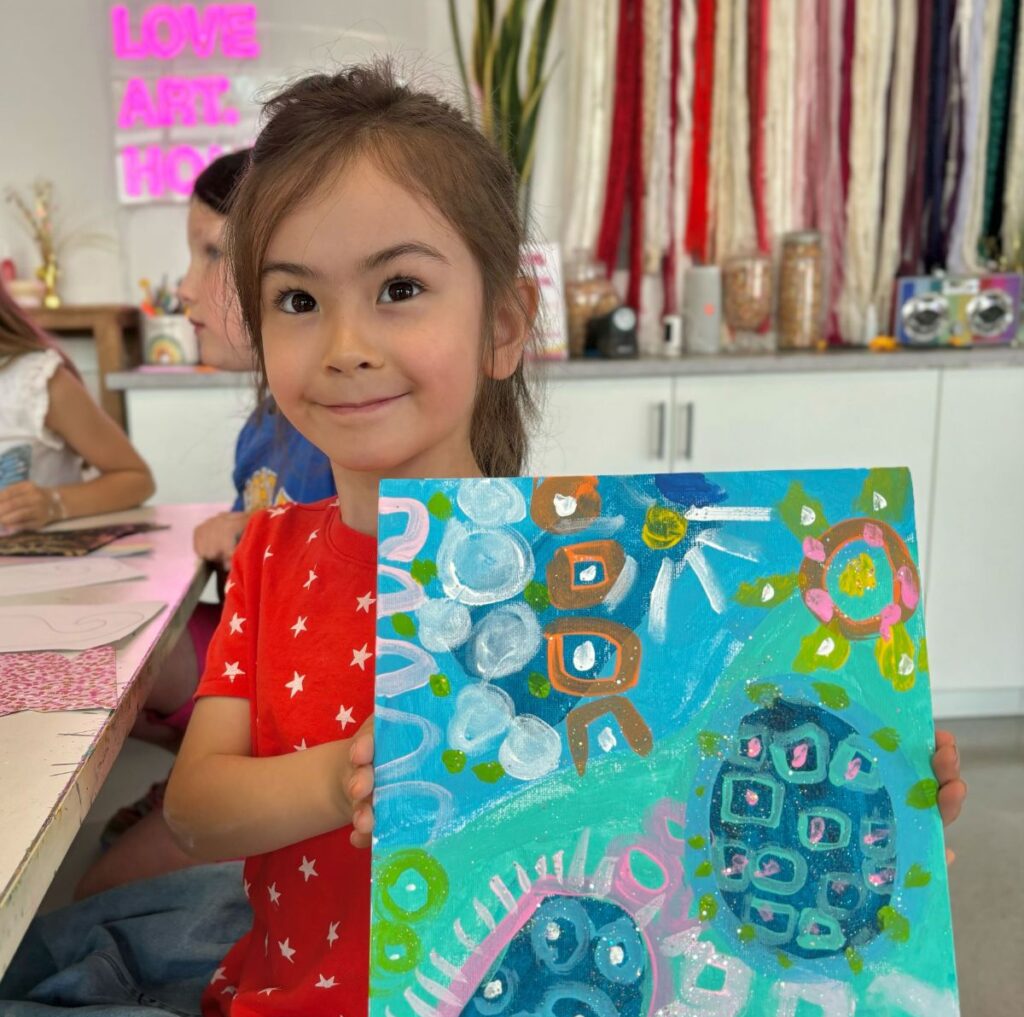
A great example of this is Honest Art, based out of Ardsley, NY. They provide a free art class for the special needs community and donated thousands in goods and services to area schools, hospitals and other programs. It’s made a positive impact in the community and for the brand.
2. Local Hiring and Training Programs
Franchises that hire and train locally strengthen the community economically and socially:
- Creating Jobs: Local employment opportunities improve neighborhood prosperity and reduce unemployment.
- Skill Development: Franchises like UPS Store and Starbucks provide training programs for youth and adults, equipping them with skills for future careers.
- Mentorship Programs: Some franchises implement mentorship initiatives for high school and college students, preparing the next generation for success.
By investing in local talent, franchises not only support their community’s economy, but also cultivate a motivated and skilled workforce.
3. Sponsoring Local Events
Franchises can enhance community engagement by sponsoring events that bring people together:
- Sports and Recreation: Local franchise locations often sponsor youth leagues, charity races, or fitness events. Anytime Fitness, for example, organizes community wellness events and charity runs.
- Cultural Events: Franchises can support arts, music festivals, and local theater programs, enriching the cultural fabric of their neighborhoods. Honest Art hosts a free community summer celebration and invites area businesses to participate. A win-win.
- Educational Events: Many franchises fund or sponsor educational workshops, science fairs, or library programs.
Event sponsorship fosters goodwill, increases brand visibility, and strengthens a franchise’s connection to the local community.
4. Environmental and Sustainability Initiatives
Franchises that prioritize sustainability contribute to healthier communities while promoting corporate responsibility:
- Green Practices: Brands like Starbucks implement eco-friendly packaging and energy-saving measures in their stores.
- Community Clean-Ups: Franchise teams often participate in local environmental clean-ups, tree planting, and recycling initiatives.
- Sustainable Partnerships: Collaborating with local suppliers and organizations ensures that community development includes ecological responsibility.
By addressing environmental issues, franchises help communities thrive sustainably, creating long-term social and economic benefits.
5. Partnering with Nonprofits
Partnerships with nonprofits allow franchises to amplify their impact:
- Health and Education: Kumon franchises partner with schools to provide extra learning resources and scholarships.
- Disaster Relief: The UPS Store partners with local charities to deliver aid during emergencies.
- Community Projects: Habitat for Humanity collaborates with franchise teams to build housing for families in need.
Nonprofit partnerships ensure that franchise initiatives are effective, measurable, and aligned with community priorities.
Case Study: Franchise Success in Community Engagement
Consider Ace Hardware. Local Ace stores sponsor school projects, contribute to local shelters, and participate in disaster relief programs. These franchises combine financial support, employee volunteerism, and community partnerships to create a multi-layered positive impact.
Similarly, Panera Bread donates surplus food to local food banks and partners with schools for nutrition programs, demonstrating that even small-scale initiatives can have significant effects.
Conclusion: Practical Steps for Franchise Owners
Franchises that support communites do so through a combination of donations, local hiring, event sponsorships, environmental initiatives, and nonprofit partnerships. By integrating these strategies, franchise owners strengthen their neighborhoods, improve brand perception, and foster loyal customer bases.
Supporting local communities is no longer optional – it is a key component of modern franchise success. The ripple effects of these initiatives go beyond profits, creating better lives and stronger communities for everyone involved.